


Vegetation Management Program
Adams-Columbia Electric Cooperative (ACEC) maintains electric-line rights-of-way to provide safe, reliable electric service while balancing environmental stewardship and respect for private property. Vegetation management reduces power outages, improves access to electric facilities, enhances safety, and helps protect the electric system from storm-related damage.
Why Vegetation Management Is Important
Trees and vegetation growing too close to power lines are one of the leading causes of service interruptions, safety hazards, and equipment damage. ACEC conducts ongoing vegetation management to:
- Improve service reliability
- Reduce outages caused by trees and branches
- Enhance public and employee safety
- Maintain access to electric facilities for inspection and repair
- Reduce wildfire risk
- Protect environmentally sensitive areas and natural resources
How ACEC Plans Vegetation Work
ACEC uses a condition-based vegetation management program that considers vegetation growth rates, outage history, accessibility, system needs, and field inspections. While maintenance is generally performed on a recurring cycle, work may be scheduled sooner or later based on conditions affecting reliability or safety.
Right-of-Way Standards
To maintain safe electrical clearances, ACEC follows industry-recognized vegetation management practices and applicable safety standards.
General vegetation management guidelines include:
- Primary power lines: Vegetation is typically managed within approximately 10 feet on either side of the outermost primary conductor.
- Secondary power lines: Vegetation is maintained with a minimum clearance of 2 feet in all directions from the conductor.
- Trees and woody vegetation within these areas may be trimmed or removed as necessary to maintain reliable electric service.
Compliance and Safety Standards
ACEC’s vegetation management program is designed to comply with applicable regulations and industry standards, including the National Electrical Safety Code (NESC), environmental regulations, easement rights, and utility best management practices. These requirements help ensure the safe operation of the electric distribution system while protecting public safety and environmental resources.
Hazard Tree Management
ACEC identifies and addresses trees that could fall into power lines or electrical equipment and create safety hazards or outages. Hazard trees may include:
- Dead or dying trees
- Severely leaning trees
- Trees with significant decay or structural defects
- Trees damaged by weather, insects, disease, or mechanical impacts
When practical, ACEC works with property owners before hazard-tree removal activities are performed.
Member Communications
ACEC strives to notify affected members before scheduled vegetation management projects begin. Notifications may be provided through phone calls, text messages, email, door hangers or direct conversations depending on the scope of work.
Property owners are encouraged to discuss any questions or concerns with ACEC representatives before work begins.
Alternative Solutions
In certain situations, ACEC may discuss alternatives with property owners when vegetation conflicts with electric facilities. Depending on site conditions and system requirements, options such as line relocation or underground service installation may be considered. Any alternative construction costs are generally the responsibility of the property owner.
Tree Trimming and Removal Practices
Vegetation management work is performed using accepted utility arboriculture practices designed to:
- Maintain safe electrical clearances
- Promote healthy tree growth when practical
- Reduce future maintenance requirements
- Minimize damage to remaining vegetation
- Remove trees when trimming would not provide a sustainable long-term solution
ACEC also follows best management practices intended to reduce the spread of tree diseases such as Oak Wilt and Annosum Root Rot and invasive species during vegetation management activities.
Cleanup and Restoration
Following vegetation management activities, crews work to leave properties in a safe and orderly condition. Depending on the location and landowner preferences, cleanup methods may include:
- Chipping brush and smaller limbs
- Removing debris from maintained lawn areas
- Stacking usable wood
- Restoring areas impacted by equipment operations when practical
Environmental Stewardship
ACEC is committed to responsible environmental practices and sustainable right-of-way management. Special attention is given to:
- Wetlands and waterways
- Sensitive wildlife habitats
- Protected species and environmentally sensitive areas
- Invasive species management
- Responsible/selective herbicide use
- Preservation of beneficial low-growing vegetation
In some locations, brush or woody material may be strategically placed to provide wildlife habitat and help minimize environmental disturbance.
Herbicide Management
When appropriate, ACEC may use selective herbicide treatments to control incompatible vegetation and reduce regrowth. Applications are performed by qualified personnel in accordance with state and federal regulations and product-label requirements. Herbicides are not applied in maintained residential yards without appropriate authorization.
Our Commitment
Safety, reliability, and environmental stewardship are central to ACEC’s right-of-way management program. By maintaining proper vegetation clearances around electric facilities, ACEC helps ensure dependable service, protects public safety, and promotes the long-term health of the electric distribution system.
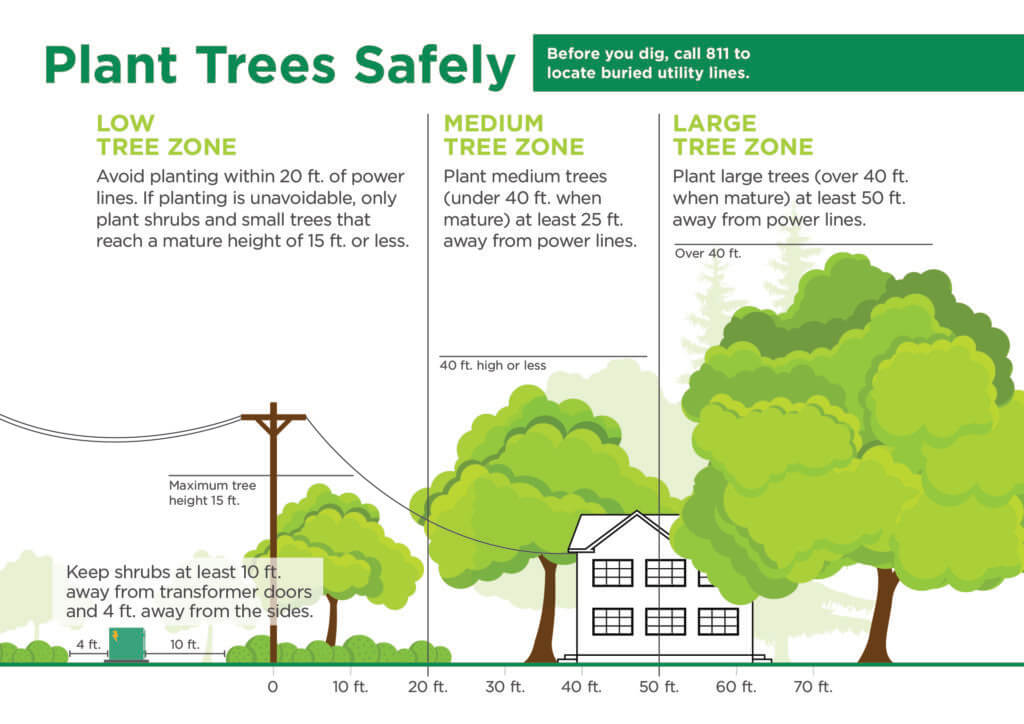

Call before you dig – 811 or (800) 242-8511